
KoyoSuit

Occupational Therapist Resume: Examples & Templates

As a Occupational Therapist, your resume should highlight essential skills like patient care and clinical documentation. This guide will help you create a compelling resume that showcases your strengths and helps you stand out in today's competitive job market.

by KoyoSuit Editorial Team | Career Writer

Last Updated: July 10, 2026

Create Your Resume

Occupational Therapist Resume Template

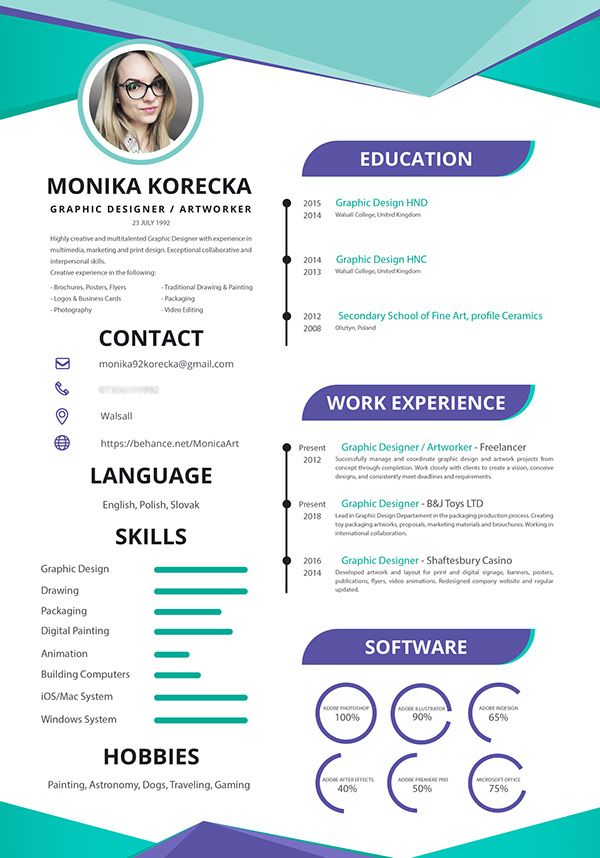
Use an ATS-friendly template tailored for medical roles. Each experience level has a recommended layout below.

Pick a template matched to your career stage — each level is shown below.

Create your Occupational Therapist resumeSee all templates →

Must-Have Skills on a Occupational Therapist Resume

Employers in medical scan for these competencies first. Group yours by priority to pass ATS and recruiter review.

Must Have

  • patient care

Important

  • clinical documentation

Writing Your Occupational Therapist Resume

Follow these section-by-section tips to turn the examples above into your own interview-winning resume.

List your most relevant skills

A Professional Summary gives recruiters a quick overview of who you are as a Occupational Therapist. In Medical, a strong summary highlights patient care and clinical documentation in three to four concise lines.

Example skills for a occupational therapist

  • Proficient in patient care for daily operations
  • Proficient in clinical documentation for daily operations
Pro tip: Mirror language from the job posting — ATS tools rank resumes higher when skills match the description.

Highlight your work history

Work Experience is the core of your Occupational Therapist resume. Show how you applied patient care and clinical documentation to deliver results in Medical environments.

Occupational TherapistHealthcare Provider Inc.

Jan 2021 – Present

  • Developed individualized treatment plans for 50+ patients, improving rehabilitation outcomes by 30%.
  • Conducted assessments and evaluations to identify patient needs and goals, achieving a 95% satisfaction rate.
  • Collaborated with a multidisciplinary team to enhance patient care strategies, resulting in reduced recovery times.
  • Trained and mentored 5 interns in therapeutic techniques and patient management, fostering skill development.
  • Implemented new therapy techniques that increased patient engagement by 40%, enhancing treatment effectiveness.
  • Participated in community health workshops, educating 100+ attendees on injury prevention and wellness.
  • Maintained accurate patient records and documentation, ensuring compliance with healthcare regulations.
Pro tip: Quantify achievements — numbers show scope and impact for office leadership roles.

Sum up your resume with an introduction

Lead with a short professional summary or objective tailored to the occupational therapist role you want.

Professional summary example

Dedicated and compassionate Occupational Therapist with extensive experience in providing patient-centered care in diverse clinical settings. Adept at developing customized treatment plans to enhance patient rehabilitation and improve overall quality of life. Committed to continuous professional development and collaboration with multidisciplinary teams.

Resume objective example

Motivated recent graduate seeking to leverage academic knowledge and internship experience in a challenging Occupational Therapist role. Eager to contribute to patient care and rehabilitation efforts while developing practical skills in a clinical environment.

Common certifications for a occupational therapist resume

  • Industry-relevant professional certification

5 Resume Formatting Tips

Small layout choices help occupational therapist applications look professional and stay ATS-readable.

  1. 1Use clear, concise language to describe your skills and achievements.
  2. 2Include metrics to quantify your impact where possible.
  3. 3Tailor your resume to the specific job description.
  4. 4Highlight relevant certifications and continuing education.
  5. 5Emphasize soft skills like empathy and communication.

Tools for Your Job Search

Check your resume before you apply and build a stronger version with our free tools.

Frequently Asked Questions

What are the main responsibilities of an Occupational Therapist?
Occupational Therapists assess patient needs, develop treatment plans, and implement therapeutic interventions. They focus on improving patients' ability to perform daily activities and enhance their overall quality of life.
What qualifications are needed to become an Occupational Therapist?
To become an Occupational Therapist, one must earn a master's or doctoral degree in occupational therapy, complete supervised fieldwork, and pass a national certification exam. State licensure is also required.
What settings do Occupational Therapists work in?
Occupational Therapists work in a variety of settings, including hospitals, rehabilitation centers, outpatient clinics, schools, and home health care. Each setting offers unique challenges and patient populations.
What skills are important for an Occupational Therapist?
Key skills for Occupational Therapists include strong communication, empathy, problem-solving, and critical thinking. They must also be knowledgeable about therapeutic techniques and patient assessment methods.
How do Occupational Therapists measure patient progress?
Occupational Therapists measure patient progress through assessments, progress notes, and standardized tests. They regularly review and adjust treatment plans based on patient feedback and outcomes.

Get the job 2x faster*

Build an ATS-friendly occupational therapist resume with our AI builder and professional templates.

Build my resume — free
KoyoSuit

AI-powered resume and cover letter builder designed to help you beat ATS systems and get hired faster.

Product

ResumesCover LettersTemplatesPricing