
KoyoSuit

Employment Lawyer Resume: Examples & Templates

As a Employment Lawyer, your resume should highlight essential skills like legal research and case management. This guide will help you create a compelling resume that showcases your strengths and helps you stand out in today's competitive job market.

by KoyoSuit Editorial Team | Career Writer

Last Updated: July 11, 2026

Create Your Resume

Employment Lawyer Resume Template

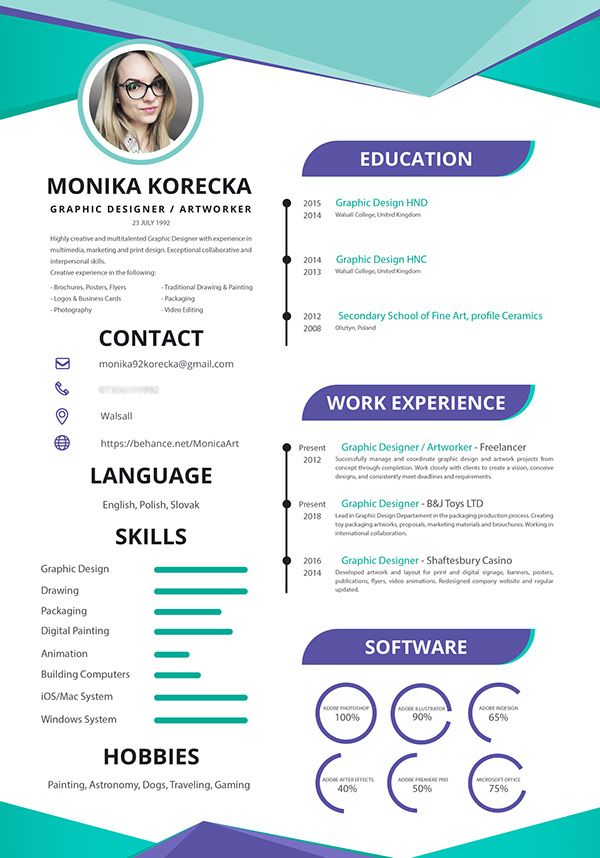
Use an ATS-friendly template tailored for law roles. Each experience level has a recommended layout below.

Pick a template matched to your career stage — each level is shown below.

Entry Level

Mid Career

Experienced

No Experience

Create your Employment Lawyer resumeSee all templates →

Must-Have Skills on a Employment Lawyer Resume

Employers in law scan for these competencies first. Group yours by priority to pass ATS and recruiter review.

Must Have

  • legal research

Important

  • case management

Writing Your Employment Lawyer Resume

Follow these section-by-section tips to turn the examples above into your own interview-winning resume.

List your most relevant skills

A Professional Summary gives recruiters a quick overview of who you are as a Employment Lawyer. In Law, a strong summary highlights legal research and case management in three to four concise lines.

Example skills for a employment lawyer

  • Proficient in legal research for daily operations
  • Proficient in case management for daily operations
Pro tip: Mirror language from the job posting — ATS tools rank resumes higher when skills match the description.

Highlight your work history

Work Experience is the core of your Employment Lawyer resume. Show how you applied legal research and case management to deliver results in Law environments.

Employment Law AssociateNational Law Firm

Jan 2021 – Present

  • Advised clients on compliance with labor laws, reducing legal risks by 30%.
  • Successfully mediated over 50 employment disputes, achieving favorable outcomes for clients.
  • Drafted and reviewed employment contracts and policies, enhancing clarity and compliance.
  • Conducted legal research on emerging labor issues, contributing to firm-wide knowledge base.
  • Represented clients in arbitration and litigation, achieving a 75% success rate.
  • Trained junior associates on employment law trends and best practices.
  • Developed client workshops on workplace rights, increasing client engagement by 40%.
Pro tip: Quantify achievements — numbers show scope and impact for office leadership roles.

Sum up your resume with an introduction

Lead with a short professional summary or objective tailored to the employment lawyer role you want.

Professional summary example

Detail-oriented Employment Lawyer with extensive experience in labor law, compliance, and dispute resolution. Adept at providing legal advice to both employers and employees, with a strong focus on negotiation and mediation. Proven track record of successfully handling complex cases while ensuring adherence to legal standards and regulations.

Resume objective example

Ambitious legal professional seeking to transition into an Employment Lawyer role. Committed to using strong analytical and negotiation skills to advocate for clients' rights in the workplace. Eager to contribute to a dynamic legal team and protect employee interests.

Common certifications for a employment lawyer resume

  • Industry-relevant professional certification

5 Resume Formatting Tips

Small layout choices help employment lawyer applications look professional and stay ATS-readable.

  1. 1Tailor your resume to highlight relevant legal experience.
  2. 2Use action verbs to describe your accomplishments.
  3. 3Quantify achievements with metrics to showcase impact.
  4. 4Showcase your negotiation and communication skills prominently.
  5. 5Include any specialized training in employment law.

Tools for Your Job Search

Check your resume before you apply and build a stronger version with our free tools.

Frequently Asked Questions

What are the primary responsibilities of an Employment Lawyer?
Employment Lawyers primarily advise clients on labor laws, represent them in disputes, and help draft employment contracts. They also negotiate settlements and ensure compliance with regulations.
What qualifications are needed to become an Employment Lawyer?
To become an Employment Lawyer, one typically needs a Juris Doctor degree from an accredited law school and to pass the bar exam. Specialized training in labor law can be beneficial.
How can an Employment Lawyer assist employers?
Employment Lawyers assist employers by ensuring compliance with labor laws, drafting policies, and providing guidance on best practices. They also help in dispute resolution to avoid litigation.
What skills are essential for success as an Employment Lawyer?
Essential skills include strong analytical abilities, excellent negotiation and communication skills, as well as a thorough understanding of employment laws and regulations.
What is the average salary for an Employment Lawyer?
The average salary for an Employment Lawyer varies by location and experience but typically ranges from $80,000 to $150,000 annually, with potential bonuses based on performance.

Get the job 2x faster*

Build an ATS-friendly employment lawyer resume with our AI builder and professional templates.

Build my resume — free
KoyoSuit

AI-powered resume and cover letter builder designed to help you beat ATS systems and get hired faster.

Product

ResumesCover LettersTemplatesPricing