
KoyoSuit

Site Reliability Engineer Resume: Examples & Templates

As a Site Reliability Engineer, your resume should highlight essential skills like software development and system design. This guide will help you create a compelling resume that showcases your strengths and helps you stand out in today's competitive job market.

by KoyoSuit Editorial Team | Career Writer

Last Updated: July 10, 2026

Create Your Resume

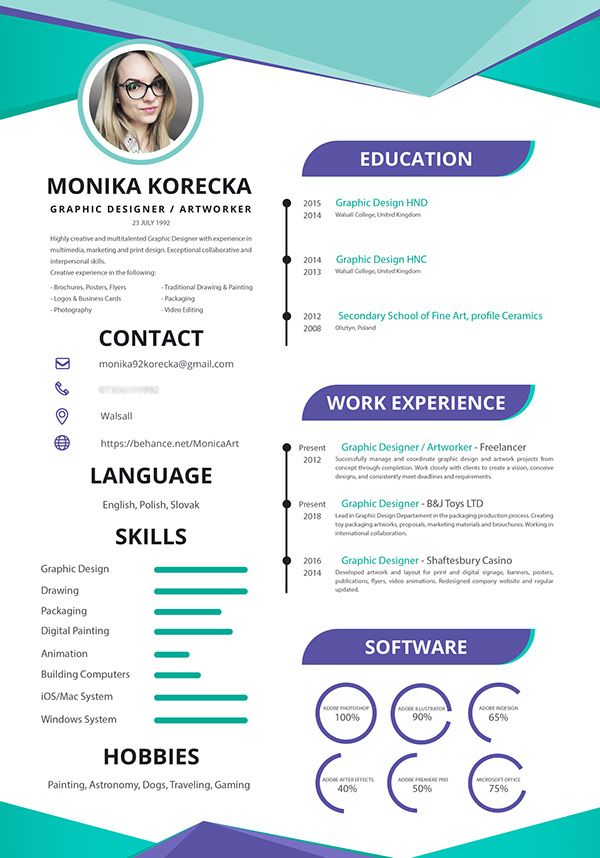
Site Reliability Engineer Resume Template

Use an ATS-friendly template tailored for information technology (it) roles. Each experience level has a recommended layout below.

Pick a template matched to your career stage — each level is shown below.

Create your Site Reliability Engineer resumeSee all templates →

Must-Have Skills on a Site Reliability Engineer Resume

Employers in information technology (it) scan for these competencies first. Group yours by priority to pass ATS and recruiter review.

Must Have

  • software development

Important

  • system design

Writing Your Site Reliability Engineer Resume

Follow these section-by-section tips to turn the examples above into your own interview-winning resume.

List your most relevant skills

A Professional Summary gives recruiters a quick overview of who you are as a Site Reliability Engineer. In Information Technology (IT), a strong summary highlights software development and system design in three to four concise lines.

Example skills for a site reliability engineer

  • Proficient in software development for daily operations
  • Proficient in system design for daily operations
Pro tip: Mirror language from the job posting — ATS tools rank resumes higher when skills match the description.

Highlight your work history

Work Experience is the core of your Site Reliability Engineer resume. Show how you applied software development and system design to deliver results in Information Technology (IT) environments.

Junior Site Reliability EngineerTech Solutions Inc.

Jan 2022 – Present

  • Implemented monitoring tools that reduced system downtime by 30%.
  • Automated deployment processes, increasing deployment efficiency by 40%.
  • Collaborated with developers to troubleshoot and resolve production issues, improving user satisfaction.
  • Conducted regular performance assessments, leading to a 25% increase in system reliability.
  • Maintained documentation for system architecture, enhancing knowledge sharing within the team.
  • Participated in on-call rotations, effectively managing incidents and minimizing service disruption.
Pro tip: Quantify achievements — numbers show scope and impact for office leadership roles.

Sum up your resume with an introduction

Lead with a short professional summary or objective tailored to the site reliability engineer role you want.

Professional summary example

Detail-oriented Site Reliability Engineer with a strong foundation in IT operations and system reliability. Proven ability to improve system performance through automation and monitoring. Skilled in collaboration with development teams to enhance service quality and user experience.

Resume objective example

Motivated IT professional transitioning to a Site Reliability Engineer role, eager to leverage strong problem-solving skills and technical acumen. Committed to ensuring system reliability and optimizing performance through innovative solutions.

Common certifications for a site reliability engineer resume

  • Industry-relevant professional certification

5 Resume Formatting Tips

Small layout choices help site reliability engineer applications look professional and stay ATS-readable.

  1. 1Use industry-specific keywords to pass ATS filters.
  2. 2Quantify achievements with metrics to showcase impact.
  3. 3Tailor your resume for each job application.
  4. 4Highlight relevant technical skills clearly.
  5. 5Include a mix of soft and hard skills.

Tools for Your Job Search

Check your resume before you apply and build a stronger version with our free tools.

Frequently Asked Questions

What are the primary responsibilities of a Site Reliability Engineer?
Site Reliability Engineers focus on ensuring systems are reliable and performant. They monitor system health, automate processes, and collaborate closely with development teams to improve system architecture.
What skills are essential for a Site Reliability Engineer?
Key skills include proficiency in cloud platforms, scripting and programming languages, system monitoring tools, and an understanding of networking concepts. Strong problem-solving and communication skills are also critical.
How can I prepare for a Site Reliability Engineer interview?
Review common SRE interview questions, familiarize yourself with system design principles, and be ready to discuss past projects. Understanding incident response and reliability metrics is also beneficial.
What tools do Site Reliability Engineers commonly use?
Common tools include monitoring solutions like Prometheus and Grafana, CI/CD tools like Jenkins, and cloud services such as AWS or Google Cloud. Familiarity with containerization tools like Docker is also valuable.
How does a Site Reliability Engineer differ from a DevOps Engineer?
While both roles focus on collaboration between development and operations, SREs emphasize reliability and system uptime, often using software engineering principles to automate operations, whereas DevOps focuses more broadly on the software delivery process.

Get the job 2x faster*

Build an ATS-friendly site reliability engineer resume with our AI builder and professional templates.

Build my resume — free
KoyoSuit

AI-powered resume and cover letter builder designed to help you beat ATS systems and get hired faster.

Product

ResumesCover LettersTemplatesPricing