
KoyoSuit

Compensation Analyst Resume: Examples & Templates

As a Compensation Analyst, your resume should highlight essential skills like employee relations and recruitment. This guide will help you create a compelling resume that showcases your strengths and helps you stand out in today's competitive job market.

by KoyoSuit Editorial Team | Career Writer

Last Updated: July 10, 2026

Create Your Resume

Compensation Analyst Resume Template

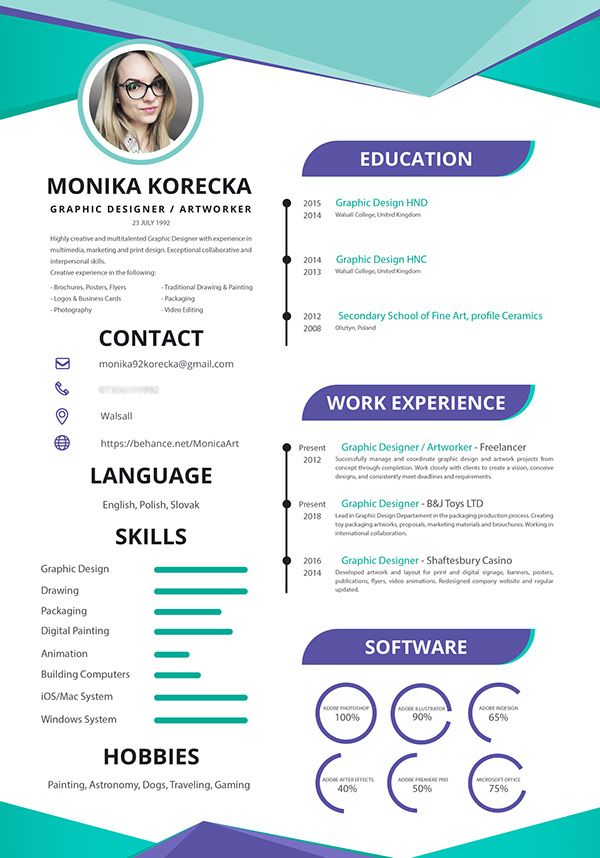
Use an ATS-friendly template tailored for human resources (hr) roles. Each experience level has a recommended layout below.

Pick a template matched to your career stage — each level is shown below.

Entry Level

Mid Career

Experienced

No Experience

Create your Compensation Analyst resumeSee all templates →

Must-Have Skills on a Compensation Analyst Resume

Employers in human resources (hr) scan for these competencies first. Group yours by priority to pass ATS and recruiter review.

Must Have

  • employee relations

Important

  • recruitment

Writing Your Compensation Analyst Resume

Follow these section-by-section tips to turn the examples above into your own interview-winning resume.

List your most relevant skills

A Professional Summary gives recruiters a quick overview of who you are as a Compensation Analyst. In Human Resources (HR), a strong summary highlights employee relations and recruitment in three to four concise lines.

Example skills for a compensation analyst

  • Proficient in employee relations for daily operations
  • Proficient in recruitment for daily operations
Pro tip: Mirror language from the job posting — ATS tools rank resumes higher when skills match the description.

Highlight your work history

Work Experience is the core of your Compensation Analyst resume. Show how you applied employee relations and recruitment to deliver results in Human Resources (HR) environments.

Human Resources AssistantGeneric Employer Inc.

Jan 2021 – Present

  • Assisted in the development of compensation structures, leading to a 15% improvement in employee retention rates.
  • Conducted market research to benchmark salaries, ensuring competitiveness within the industry.
  • Collaborated with HR teams to implement new payroll software, reducing processing time by 25%.
  • Analyzed employee survey data, identifying key areas for compensation improvement, resulting in actionable strategies.
  • Supported the annual compensation review process, contributing to a 10% increase in overall employee satisfaction scores.
  • Created detailed reports on compensation trends to assist in strategic planning and decision-making.
  • Facilitated training sessions for HR staff on compensation policies and best practices.
Pro tip: Quantify achievements — numbers show scope and impact for office leadership roles.

Sum up your resume with an introduction

Lead with a short professional summary or objective tailored to the compensation analyst role you want.

Professional summary example

Detail-oriented Compensation Analyst with a strong understanding of compensation structures and employee benefits. Proven ability to analyze and interpret data to inform strategic decision-making. Committed to enhancing employee satisfaction through competitive compensation programs.

Resume objective example

Analytical and results-driven professional seeking to transition into a Compensation Analyst role. Passionate about leveraging expertise in data analysis and human resources to optimize compensation strategies. Eager to contribute to a dynamic HR team focused on employee engagement and retention.

Common certifications for a compensation analyst resume

  • Industry-relevant professional certification

5 Resume Formatting Tips

Small layout choices help compensation analyst applications look professional and stay ATS-readable.

  1. 1Tailor your resume to highlight relevant skills for compensation analysis.
  2. 2Use quantifiable achievements to demonstrate your contributions.
  3. 3Include industry-specific keywords for ATS optimization.
  4. 4Keep your resume format clean and professional.
  5. 5Highlight any experience with data analysis tools or software.

Tools for Your Job Search

Check your resume before you apply and build a stronger version with our free tools.

Frequently Asked Questions

What does a Compensation Analyst do?
A Compensation Analyst evaluates and analyzes an organization's compensation structures. They ensure that salaries and benefits remain competitive and equitable while aligning with the company's budget.
What skills are essential for a Compensation Analyst?
Key skills for a Compensation Analyst include strong analytical abilities, attention to detail, proficiency in data analysis software, and knowledge of compensation laws and regulations.
How can I prepare for a Compensation Analyst interview?
Preparing for a Compensation Analyst interview involves understanding compensation practices, familiarizing yourself with relevant tools and software, and being ready to discuss market trends and data analysis.
What educational background is needed for a Compensation Analyst?
Typically, a bachelor's degree in human resources, finance, or a related field is required. Some positions may also prefer or require certifications in compensation or HR.
What are the career advancement opportunities for a Compensation Analyst?
Compensation Analysts can advance to senior analyst roles, compensation managers, or HR director positions. Continuous education and experience in HR analytics can further enhance career prospects.

Get the job 2x faster*

Build an ATS-friendly compensation analyst resume with our AI builder and professional templates.

Build my resume — free
KoyoSuit

AI-powered resume and cover letter builder designed to help you beat ATS systems and get hired faster.

Product

ResumesCover LettersTemplatesPricing