
KoyoSuit

Cinematographer Resume: Examples & Templates

As a Cinematographer, your resume should highlight essential skills like creative collaboration and production coordination. This guide will help you create a compelling resume that showcases your strengths and helps you stand out in today's competitive job market.

by KoyoSuit Editorial Team | Career Writer

Last Updated: September 08, 2026

Create Your Resume
Get the job 2x faster*
Resume example preview

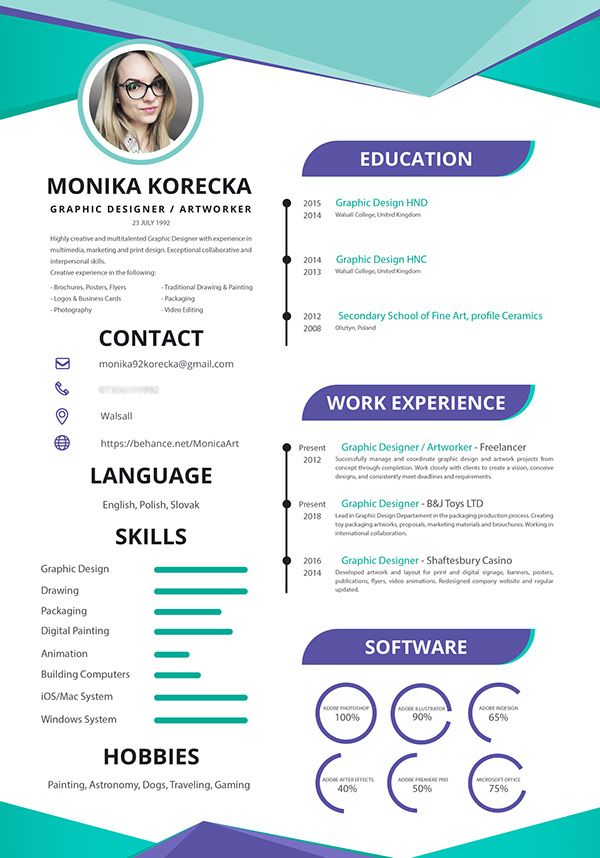
Cinematographer Resume Template

Use an ATS-friendly template tailored for entertainment roles. Each experience level has a recommended layout below.

Pick a template matched to your career stage — each level is shown below.

Create your Cinematographer resumeSee all templates →

Must-Have Skills on a Cinematographer Resume

Employers in entertainment scan for these competencies first. Group yours by priority to pass ATS and recruiter review.

Must Have

  • creative collaboration

Important

  • production coordination

Writing Your Cinematographer Resume

Follow these section-by-section tips to turn the examples above into your own interview-winning resume.

List your most relevant skills

A Professional Summary gives recruiters a quick overview of who you are as a Cinematographer. In Entertainment, a strong summary highlights creative collaboration and production coordination in three to four concise lines.

Example skills for a cinematographer

  • Proficient in creative collaboration for daily operations
  • Proficient in production coordination for daily operations
Pro tip: Mirror language from the job posting — ATS tools rank resumes higher when skills match the description.

Highlight your work history

Work Experience is the core of your Cinematographer resume. Show how you applied creative collaboration and production coordination to deliver results in Entertainment environments.

Assistant CinematographerCreative Films Inc.

Jan 2022 – Present

  • Assisted lead cinematographer in capturing over 100 hours of footage for multiple short films and documentaries.
  • Collaborated with directors to develop shot lists, ensuring alignment with creative vision and storytelling goals.
  • Set up and operated lighting equipment, enhancing the visual quality of scenes resulting in a 20% increase in audience engagement.
  • Managed camera equipment inventory and maintenance, reducing production costs by 15%.
  • Contributed to post-production processes, including color grading and editing, improving final output quality.
  • Participated in location scouting, identifying ideal settings that enhanced story elements and visual appeal.
Pro tip: Quantify achievements — numbers show scope and impact for office leadership roles.

Sum up your resume with an introduction

Lead with a short professional summary or objective tailored to the cinematographer role you want.

Professional summary example

Dedicated cinematographer with a strong background in visual storytelling and film production. Experienced in capturing high-quality footage across various genres, utilizing advanced camera techniques and lighting strategies. Proven ability to collaborate with directors and production teams to achieve artistic vision and deliver compelling narratives.

Resume objective example

Aspiring cinematographer seeking to leverage a strong foundation in visual arts and film studies to contribute to innovative film projects. Eager to gain hands-on experience and learn from industry professionals in a dynamic production environment.

Common certifications for a cinematographer resume

  • Industry-relevant professional certification

5 Resume Formatting Tips

Small layout choices help cinematographer applications look professional and stay ATS-readable.

  1. 1Tailor your resume for each job application to highlight relevant experience.
  2. 2Use quantifiable achievements to demonstrate your impact in previous roles.
  3. 3Include a portfolio link showcasing your cinematography work.
  4. 4Highlight collaboration and communication skills in your experience.
  5. 5List relevant technical skills such as camera operation and lighting design.

Tools for Your Job Search

Check your resume before you apply and build a stronger version with our free tools.

Frequently Asked Questions

What skills are essential for a successful cinematographer?
A successful cinematographer must possess strong technical skills in camera operation and lighting. They should also have a good understanding of visual composition, storytelling, and the ability to work collaboratively with directors and crew.
How can I improve my cinematography skills?
Improving cinematography skills involves continuous practice, studying films, and experimenting with different techniques. Taking courses in film production and seeking feedback from peers can also enhance your abilities.
What equipment should a cinematographer be familiar with?
Cinematographers should be familiar with various cameras, lenses, lighting equipment, and stabilization tools. Understanding digital cinematography technology and software used in post-production is also crucial.
How important is collaboration in cinematography?
Collaboration is vital in cinematography as it involves working closely with directors, producers, and other crew members. Effective communication ensures that the visual elements align with the overall vision of the project.
What career paths can a cinematographer pursue?
Cinematographers can pursue various paths, including working in film, television, commercials, and online content. Many also transition into directing or production roles as they gain experience and build their portfolio.

Get the job 2x faster*

Build an ATS-friendly cinematographer resume with our AI builder and professional templates.

Build my resume — free
KoyoSuit

AI-powered resume and cover letter builder designed to help you beat ATS systems and get hired faster.

Product

ResumesCover LettersTemplatesPricing