
KoyoSuit

Embedded Systems Engineer Resume: Examples & Templates

As a Embedded Systems Engineer, your resume should highlight essential skills like technical design and problem-solving. This guide will help you create a compelling resume that showcases your strengths and helps you stand out in today's competitive job market.

by KoyoSuit Editorial Team | Career Writer

Last Updated: July 11, 2026

Create Your Resume

Embedded Systems Engineer Resume Template

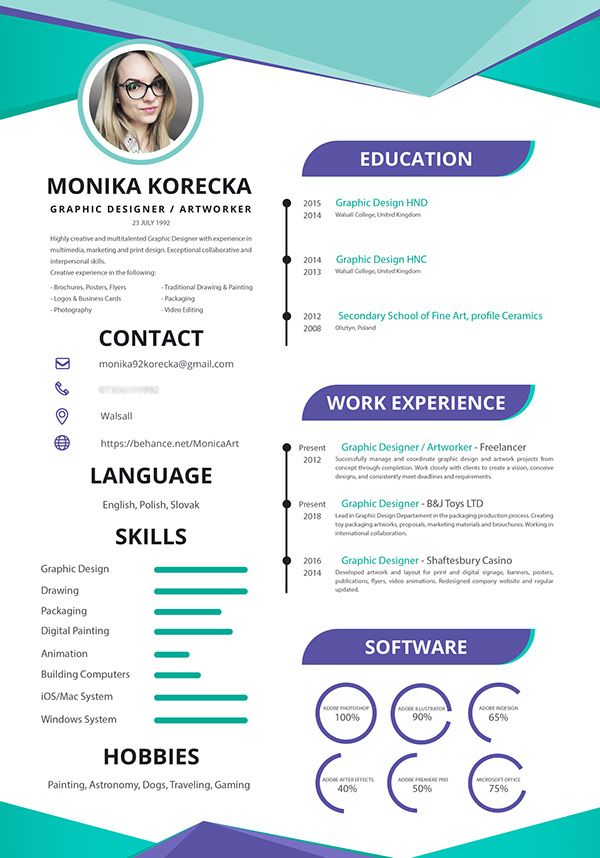
Use an ATS-friendly template tailored for engineering roles. Each experience level has a recommended layout below.

Pick a template matched to your career stage — each level is shown below.

Create your Embedded Systems Engineer resumeSee all templates →

Must-Have Skills on a Embedded Systems Engineer Resume

Employers in engineering scan for these competencies first. Group yours by priority to pass ATS and recruiter review.

Must Have

  • technical design

Important

  • problem-solving

Writing Your Embedded Systems Engineer Resume

Follow these section-by-section tips to turn the examples above into your own interview-winning resume.

List your most relevant skills

A Professional Summary gives recruiters a quick overview of who you are as a Embedded Systems Engineer. In Engineering, a strong summary highlights technical design and problem-solving in three to four concise lines.

Example skills for a embedded systems engineer

  • Proficient in technical design for daily operations
  • Proficient in problem-solving for daily operations
Pro tip: Mirror language from the job posting — ATS tools rank resumes higher when skills match the description.

Highlight your work history

Work Experience is the core of your Embedded Systems Engineer resume. Show how you applied technical design and problem-solving to deliver results in Engineering environments.

Embedded Systems EngineerTech Innovations Inc.

Jan 2021 – Present

  • Designed and implemented embedded software for a robotic arm, improving operational efficiency by 30%.
  • Collaborated with cross-functional teams to integrate hardware and software, reducing development time by 20%.
  • Conducted debugging and testing for embedded systems, achieving a 95% reduction in post-deployment issues.
  • Developed automated testing procedures that increased code coverage by 40%.
  • Successfully managed project timelines, delivering all milestones on or ahead of schedule.
  • Wrote comprehensive documentation for system architecture and user manuals, enhancing knowledge transfer.
  • Mentored junior engineers on best practices in embedded system design and programming.
Pro tip: Quantify achievements — numbers show scope and impact for office leadership roles.

Sum up your resume with an introduction

Lead with a short professional summary or objective tailored to the embedded systems engineer role you want.

Professional summary example

Detail-oriented Embedded Systems Engineer with extensive experience in designing, developing, and testing embedded systems. Proficient in programming languages such as C and C++, and skilled in hardware-software integration. Proven ability to troubleshoot complex systems and deliver innovative solutions that meet client needs.

Resume objective example

Motivated engineer seeking to leverage strong analytical skills and technical expertise in embedded systems to contribute to innovative projects. Eager to apply knowledge of microcontrollers and real-time operating systems in a dynamic engineering environment.

Common certifications for a embedded systems engineer resume

  • Industry-relevant professional certification

5 Resume Formatting Tips

Small layout choices help embedded systems engineer applications look professional and stay ATS-readable.

  1. 1Tailor your resume to highlight relevant embedded systems experience.
  2. 2Use action verbs to describe your achievements and responsibilities.
  3. 3Quantify your accomplishments with metrics wherever possible.
  4. 4Include specific technologies and tools you have worked with.
  5. 5Keep your format clean and easy to read with clear section headings.

Tools for Your Job Search

Check your resume before you apply and build a stronger version with our free tools.

Frequently Asked Questions

What programming languages are essential for an Embedded Systems Engineer?
C and C++ are the most commonly used programming languages in embedded systems development. Knowledge of assembly language and Python can also be beneficial for specific applications.
What kind of projects do Embedded Systems Engineers typically work on?
Embedded Systems Engineers often work on projects involving consumer electronics, automotive systems, medical devices, and industrial automation. Their role includes designing both hardware and software components.
What skills are important for success in embedded systems engineering?
Key skills include proficiency in programming languages, strong problem-solving abilities, knowledge of microcontrollers, and experience with real-time operating systems. Additionally, teamwork and communication skills are critical.
How can I advance my career as an Embedded Systems Engineer?
To advance your career, consider obtaining relevant certifications, gaining experience in diverse projects, and staying updated on industry trends. Networking with professionals and attending workshops can also be beneficial.
What industries hire Embedded Systems Engineers?
Embedded Systems Engineers are sought after in various industries including automotive, aerospace, consumer electronics, healthcare, and telecommunications. Each industry offers unique challenges and opportunities.

Get the job 2x faster*

Build an ATS-friendly embedded systems engineer resume with our AI builder and professional templates.

Build my resume — free
KoyoSuit

AI-powered resume and cover letter builder designed to help you beat ATS systems and get hired faster.

Product

ResumesCover LettersTemplatesPricing