
KoyoSuit

Automation Engineer Resume: Examples & Templates

As a Automation Engineer, your resume should highlight essential skills like technical design and problem-solving. This guide will help you create a compelling resume that showcases your strengths and helps you stand out in today's competitive job market.

by KoyoSuit Editorial Team | Career Writer

Last Updated: September 08, 2026

Create Your Resume
Get the job 2x faster*
Resume example preview

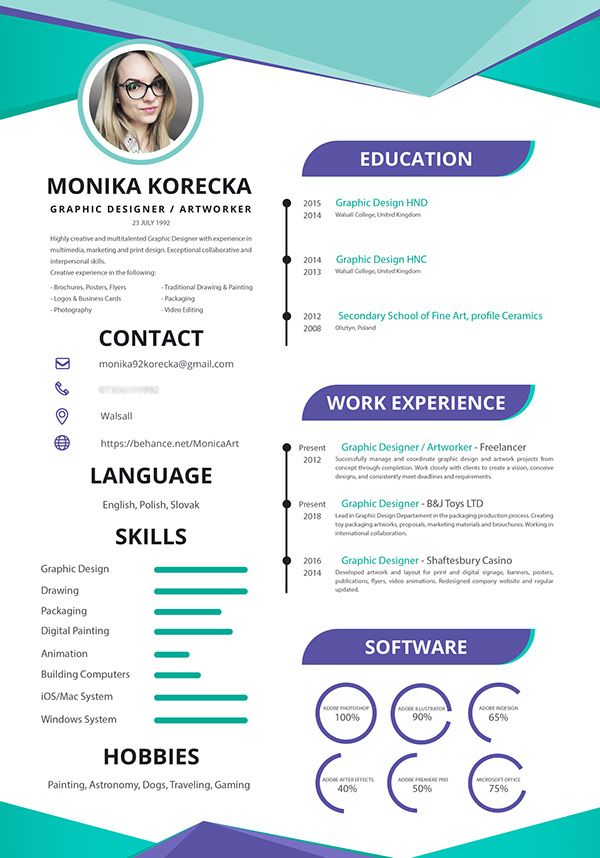
Automation Engineer Resume Template

Use an ATS-friendly template tailored for engineering roles. Each experience level has a recommended layout below.

Pick a template matched to your career stage — each level is shown below.

Create your Automation Engineer resumeSee all templates →

Must-Have Skills on a Automation Engineer Resume

Employers in engineering scan for these competencies first. Group yours by priority to pass ATS and recruiter review.

Must Have

  • technical design

Important

  • problem-solving

Writing Your Automation Engineer Resume

Follow these section-by-section tips to turn the examples above into your own interview-winning resume.

List your most relevant skills

A Professional Summary gives recruiters a quick overview of who you are as a Automation Engineer. In Engineering, a strong summary highlights technical design and problem-solving in three to four concise lines.

Example skills for a automation engineer

  • Proficient in technical design for daily operations
  • Proficient in problem-solving for daily operations
Pro tip: Mirror language from the job posting — ATS tools rank resumes higher when skills match the description.

Highlight your work history

Work Experience is the core of your Automation Engineer resume. Show how you applied technical design and problem-solving to deliver results in Engineering environments.

Automation TechnicianGeneric Engineering Solutions Inc.

Jan 2021 – Present

  • Developed automated control systems resulting in a 20% increase in production efficiency.
  • Collaborated with engineering teams to design and implement a new testing protocol, reducing error rates by 15%.
  • Conducted regular maintenance on automated equipment, improving system reliability by 30%.
  • Trained junior staff on automation technologies, enhancing team performance and knowledge sharing.
  • Analyzed production data to identify automation opportunities, leading to a cost reduction of $50,000 annually.
  • Implemented process improvements that decreased cycle time by 25%, significantly boosting throughput.
  • Managed multiple projects simultaneously, ensuring all deadlines were met and quality standards maintained.
Pro tip: Quantify achievements — numbers show scope and impact for office leadership roles.

Sum up your resume with an introduction

Lead with a short professional summary or objective tailored to the automation engineer role you want.

Professional summary example

Detail-oriented Automation Engineer with a strong background in designing and implementing automated systems to optimize production processes. Proven ability to improve efficiency and reduce operational costs through innovative solutions. Adept at collaborating with cross-functional teams to achieve project goals and enhance system performance.

Resume objective example

Motivated professional seeking to transition into an Automation Engineer role to leverage technical skills and knowledge in automation technology. Eager to contribute to innovative engineering projects while enhancing my expertise in automation processes.

Common certifications for a automation engineer resume

  • Industry-relevant professional certification

5 Resume Formatting Tips

Small layout choices help automation engineer applications look professional and stay ATS-readable.

  1. 1Tailor your resume for each job application using relevant keywords.
  2. 2Highlight specific automation projects you've worked on.
  3. 3Quantify achievements with metrics to showcase impact.
  4. 4Use action verbs to describe your responsibilities and accomplishments.
  5. 5Keep your resume concise, ideally one page for entry-level and two for experienced candidates.

Tools for Your Job Search

Check your resume before you apply and build a stronger version with our free tools.

Frequently Asked Questions

What education is required to become an Automation Engineer?
Typically, a bachelor's degree in engineering, computer science, or a related field is required. Some positions may also require certifications in automation technologies or programming.
What key skills should an Automation Engineer possess?
Essential skills include proficiency in programming languages, familiarity with control systems, strong analytical abilities, and problem-solving skills. Communication and teamwork are also crucial.
What industries employ Automation Engineers?
Automation Engineers are commonly found in manufacturing, automotive, aerospace, and technology sectors. They play a key role in industries where process optimization is critical.
What are common tools and technologies an Automation Engineer uses?
They often utilize software such as PLC programming, SCADA systems, and CAD tools. Knowledge of robotics and machine learning can also be beneficial.
What career growth opportunities exist for Automation Engineers?
Career advancement can lead to positions such as Senior Automation Engineer, Project Manager, or Engineering Manager. Continuous learning and specialization in emerging technologies can enhance career prospects.

Get the job 2x faster*

Build an ATS-friendly automation engineer resume with our AI builder and professional templates.

Build my resume — free
KoyoSuit

AI-powered resume and cover letter builder designed to help you beat ATS systems and get hired faster.

Product

ResumesCover LettersTemplatesPricing